The Left Ventricle Pump the Blood Out of the Heart Along the Aorta the Bodys Largest Art
Middle failure is a disorder in which the heart is unable to go on up with the demands of the body, leading to reduced blood menstruation, redundancy (congestion) of blood in the veins and lungs, and/or other changes that may further weaken or stiffen the heart.
-
Eye failure develops when the contracting action or the relaxing action of the eye is inadequate, typically considering the heart musculus is weak, stiff, or both.
-
Many disorders that affect the center can cause centre failure.
-
Virtually people have no symptoms at first, and shortness of breath and fatigue develop gradually over days to months.
-
Fluid may accumulate in the lungs, belly, or legs.
-
Doctors normally suspect centre failure on the basis of symptoms, but tests, such as echocardiography (ultrasound of the heart), are ordinarily washed to evaluate heart function.
-
Treatment focuses on treating the disorder causing eye failure, making lifestyle changes, and treating middle failure with drugs or with surgery or other interventions.
Almost 6.5 million people in the United States have center failure and about 960,000 new cases occur each year. Worldwide, about 26 million people are affected. The disorder is likely to get more common considering people are living longer and considering, in some countries, certain chance factors for heart disease (such as obesity Obesity Obesity is excess trunk weight. Obesity is influenced by a combination of factors, which usually results in consuming more than calories than the body needs. These factors may include physical inactivity... read more 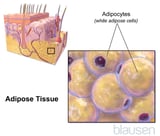 , diabetes Diabetes Mellitus (DM) Diabetes mellitus is a disorder in which the trunk does non produce enough or respond ordinarily to insulin, causing claret sugar (glucose) levels to be abnormally high. Urination and thirst are... read more than , smoking, and loftier claret pressure High Claret Pressure High blood force per unit area (hypertension) is persistently high pressure in the arteries. Ofttimes no cause for loftier blood pressure level tin exist identified, but sometimes information technology occurs equally a result of an underlying... read more
  ) are affecting more than people.
Heart failure does not mean that the heart has stopped. It ways that the centre cannot keep up with the piece of work required to pump adequate blood to all parts of the trunk (its workload). Notwithstanding, this definition is somewhat simplistic. Heart failure is complex, and no simple definition can encompass its many causes, aspects, forms, and consequences.
-
The right side of the heart pumps blood from the veins into the lungs
-
The left side of the heart pumps blood from the lungs out through the arteries to the rest of the torso
Blood goes out of the center when the heart muscle contracts (called systole) and comes into the heart when the middle muscle relaxes (chosen diastole). Center failure develops when the contracting or the relaxing activity of the heart is inadequate, typically because the centre muscle is weak, stiff, or both. Equally a result, blood may not flow out in adequate amounts. Blood may also build up in the tissues, causing congestion. That is why heart failure is sometimes known every bit congestive eye failure.
Accumulation of claret coming into the left side of the heart causes congestion in the lungs, making animate difficult. Accumulation of blood coming into the right side of the eye causes congestion and fluid aggregating in other parts of the body, such as the legs and the liver. Heart failure usually affects both the right and left sides of the heart to some caste. Nevertheless, one side may be affected by illness more the other. In such cases, heart failure may be described equally right-sided centre failure or left-sided heart failure.
In centre failure, the heart may not pump enough blood to run across the trunk's demand for oxygen and nutrients, which are supplied by the claret. As a consequence, arm and leg muscles may tire more than quickly, and the kidneys may not role unremarkably. The kidneys filter fluid and waste products from the blood into the urine, but when the middle cannot pump fairly, the kidneys malfunction and cannot remove excess fluid from the blood. Equally a effect, the amount of fluid in the bloodstream increases, and the workload of the failing center increases, creating a barbarous circle. Thus, center failure becomes even worse.
The types of center failure are classified by the ejection fraction (EF), which is the percentage of blood pumped out by the heart with each crush and is a measure out of how well the centre is pumping. A normal left ventricle ejects about 55 to 60% of the blood in information technology.
In middle failure with reduced ejection fraction (HFrEF—sometimes called systolic centre failure):
-
The centre contracts less forcefully and pumps out a lower percent of the claret that is returned to it. As a result, more than claret remains in the center. Blood then accumulates in the lungs, veins, or both.
In heart failure with preserved ejection fraction (HFpEF—sometimes called diastolic heart failure):
-
The eye is potent and does not relax normally later on contracting, which impairs its ability to fill up with blood. The heart contracts normally, and then it is able to pump a normal proportion of blood out of the ventricles, but the total amount pumped with each contraction may be less. Sometimes the strong heart compensates for its poor filling past pumping out an fifty-fifty higher proportion of the blood than it unremarkably does. Still, somewhen, every bit in systolic heart failure, the blood returning to the heart accumulates in the lungs or veins.
Center failure with mid-range ejection fraction (HFmrEF) is a newer concept that includes people whose ejection fraction is somewhere between preserved and reduced ejection fraction.
Centre Failure: Pumping and Filling Bug
Usually, the heart stretches every bit it fills with blood (during diastole), and then contracts to pump out the blood (during systole). The primary pumping chambers in the heart are the ventricles.
Heart failure due to systolic dysfunction usually develops considering the heart cannot contract unremarkably. It may fill with blood, but the heart cannot pump out as much of the blood it contains because the muscle is weaker or because a heart valve malfunctions. As a outcome, the amount of claret pumped to the trunk and to the lungs is reduced, and the ventricle usually enlarges.
Heart failure due to diastolic dysfunction develops because the heart musculus stiffens (particularly the left ventricle) and may thicken then that the middle cannot fill normally with blood. Consequently, blood backs up in the left atrium and lung (pulmonary) blood vessels and causes congestion. All the same, the heart may be able to pump out a normal percent of the blood information technology receives (only the full amount pumped out may be less).
The heart chambers e'er contain some blood, only unlike amounts of blood may enter or exit the chambers with each heartbeat equally indicated by the thickness of the arrows.
Doctors often divide causes of heart failure into
-
Disorders that directly affect the heart (cardiac causes)
-
Disorders of other body systems that indirectly impact the middle (not-cardiac causes)
Cardiac disorders that cause center failure may impair the entire heart or one area of the centre. In many cases, a combination of factors results in heart failure.
A common cardiac cause of centre failure is
Other cardiac causes of heart failure include
-
Myocarditis (inflammation of heart muscle)
-
Some drugs (for instance, some chemotherapy drugs)
-
Some toxins (for example, alcohol)
-
Middle valve disorders
-
Disorders that affect the eye'southward electrical conduction organization and cause an abnormal middle rhythm
-
Some genetic disorders
-
Disorders that stiffen the centre
Some drugs used to care for cancer and some toxins (such as booze) may besides damage heart muscle.
Heart failure may outcome from disorders that crusade the heart's walls to stiffen, such as infiltrations and infections. For example, in amyloidosis Amyloidosis Amyloidosis is a rare disease in which abnormally folded proteins form amyloid fibrils that accumulate in various tissues and organs, sometimes leading to organ dysfunction, organ failure, and... read more than 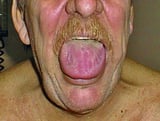 , amyloid, an abnormal poly peptide passes into (infiltrates) many tissues in the trunk. If amyloid infiltrates the middle's walls, they stiffen, and heart failure results. In tropical countries, infiltration of heart muscle by sure parasites (such as in Chagas disease Chagas Illness Chagas disease is an infection caused by the protozoan Trypanosoma cruzi, which is transmitted by the bite of a kissing issues (also called an assassin or Triatominae issues). The protozoa... read more than
  ) can cause eye failure, even in young people.
The most common non-cardiac cause of heart failure is
Less common non-cardiac causes of heart failure include
-
High claret pressure level in arteries to the lungs (pulmonary hypertension, sometimes acquired by pulmonary embolism)
-
Anemia
-
Thyroid gland disorders
-
Kidney failure
-
Some drugs
Some drugs, such as nonsteroidal anti-inflammatory drugs, may crusade the body to retain fluid, which increases the workload of the heart and may precipitate heart failure.
The body has several mechanisms to compensate for eye failure.
The trunk's outset response to stress, including that due to center failure, is to release the fight-or-flight hormones, epinephrine (adrenaline) and norepinephrine (noradrenaline). For example, these hormones may exist released immediately after a heart attack damages the center. Epinephrine and norepinephrine cause the heart to pump faster and more forcefully. They help the centre increase the amount of blood pumped out (cardiac output), sometimes to a normal amount, and thus initially assist recoup for the heart's impaired pumping ability.
People who do not take center disease usually benefit from release of these hormones when more piece of work is temporarily required of the centre. However, for people who accept chronic heart failure, this sustained response increases demands on an already damaged heart. Over time, the heart stops responding every bit well to the hormones, and the increased demands lead to further deterioration of center function.
Another of the torso'due south master compensatory mechanisms for the reduced blood period in centre failure is to increase the corporeality of common salt and water retained by the kidneys. Retaining salt and h2o instead of excreting it into urine increases the book of blood in the bloodstream and helps maintain blood pressure. However, the larger volume of claret also stretches the centre muscle, enlarging the heart chambers, especially the ventricles. At beginning, the more the heart muscle is stretched, the more forcefully it contracts, which improves centre function. However, after a certain amount of stretching, stretching no longer helps only instead weakens the heart'south contractions (every bit when a rubber band is overstretched). Consequently, heart failure worsens. In addition, common salt and water retention increase fluid congestion in organs such as the lungs, leading to worsening symptoms of centre failure.
Another important compensatory mechanism is enlargement of the muscular walls of the ventricles (ventricular hypertrophy). When the center must piece of work harder, the middle'southward walls enlarge and thicken, every bit biceps muscles overstate after months of weight training. At beginning, the enlargement allows the center to maintain the amount of blood information technology pumps out (cardiac output). However, the enlarged and/or thickened centre eventually becomes stiff, causing or worsening center failure. As well, the enlargement tin can stretch the heart valve openings, causing them to malfunction, which causes more pumping bug.
Symptoms of heart failure may begin suddenly, especially if the cause is a heart attack. Nevertheless, well-nigh people have no symptoms when the middle first begins to develop problems. Symptoms then develop gradually over days to months or years. Heart failure may stabilize for periods of time simply often progresses slowly and insidiously.
Some common symptoms are
-
Fatigue
-
Inability to exercise or do other activities that require exertion
In older people, centre failure sometimes causes vague symptoms such as sleepiness, confusion, and disorientation.
The severity of center failure is usually classified based on how well the person is able to carry out activities of daily life. The New York Heart Association (NYHA) classification remains an of import tool for people and their caregivers to understand the severity of the illness and its impact on their life.

Right-sided heart failure and left-sided heart failure cause different symptoms. Although both types of heart failure may be present, the symptoms of failure of one side often predominate. Somewhen, left-sided heart failure causes correct-sided failure.
The main symptom of right-sided heart failure is fluid accumulation, leading to swelling (edema Swelling Swelling is due to excess fluid in the tissues. The fluid is predominantly water. Swelling may exist widespread or confined to a single limb or part of a limb. Swelling is often in the feet and... read more  ) in the feet, ankles, legs, lower back, liver, and abdomen. Where the fluid accumulates depends on the amount of excess fluid and the effects of gravity. If a person is standing, fluid accumulates in the legs and feet. If a person is lying downwards, fluid unremarkably accumulates in the lower back. If the corporeality of fluid is large, fluid also accumulates in the abdomen. Fluid accumulation in the liver or stomach tin cause nausea, bloating, and loss of appetite. Severe correct-sided heart failure can result in loss of weight and musculus. This condition is called cardiac cachexia.
Left-sided heart failure leads to fluid accumulation in the lungs, which causes shortness of jiff Shortness of Breath Shortness of breath—what doctors phone call dyspnea—is the unpleasant sensation of having difficulty breathing. People experience and describe shortness of breath differently depending on the crusade... read more 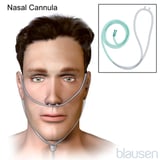 . At first, shortness of breath occurs merely during exertion, but equally heart failure progresses, it occurs with less and less exertion and eventually occurs even at rest. People with severe left-sided heart failure may be curt of breath when lying downward (a condition called orthopnea) because gravity causes more fluid to move into the lungs. Such people often wake upwardly, gasping for breath or wheezing (a condition called paroxysmal nocturnal dyspnea). Sitting up causes some of the fluid to bleed to the bottom of the lungs and makes breathing easier. People with left-sided heart failure also feel tired and weak when doing physical activities, because their muscles are not receiving enough blood.
Astute pulmonary edema is a sudden aggregating of a large corporeality of fluid in the lungs. It causes extreme difficulty breathing, rapid breathing, bluish skin, and feelings of restlessness, anxiety, and suffocation. Some people have severe spasms of the airways (bronchospasms) and wheezing. Acute pulmonary edema is a life-threatening emergency that can occur when people with heart failure develop very loftier blood pressure, have a middle attack, or sometimes simply cease taking their heart failure drugs or eat salty food.
-
Chest x-ray
-
Electrocardiography (ECG)
-
Echocardiography and sometimes other imaging tests
-
Blood tests
Doctors usually suspect eye failure on the footing of symptoms alone. The diagnosis is supported by the results of a physical test, including a weak, frequently rapid pulse, reduced claret pressure level, abnormal heart sounds and murmurs and fluid accumulation in the lungs both heard through a stethoscope, an enlarged heart, swollen neck veins, an enlarged liver, and swelling in the abdomen or legs.
Procedures to evaluate heart function are usually done. Testing is also needed to identify the cause of heart failure.
A chest x-ray can show an enlarged heart, and congested blood vessels and fluid aggregating in the lungs.
-
Whether the heart walls are thickened and relax unremarkably
-
Whether the valves are performance normally
-
Whether contractions are normal
-
Whether any surface area of the heart is contracting abnormally
Echocardiography may help determine whether centre failure is due to systolic or diastolic dysfunction by enabling doctors to estimate the thickness and stiffness of the eye walls and the ejection fraction. The ejection fraction, an important measure of eye function, is the percentage of blood pumped out past the middle with each beat. A normal left ventricle ejects about 55 to 60% of the blood in it. If the ejection fraction is depression (less than 40%), systolic heart failure is confirmed. If the ejection fraction is normal or high in a person who has symptoms of heart failure, diastolic heart failure is likely.
Blood tests are almost e'er done. Doctors ofttimes measure natriuretic peptides (NPs). NPs are substances that accumulate in the blood when center failure is present merely not when other disorders that crusade shortness of breath are present. Other blood tests may be done to look for disorders that may be causing heart failure.
Other procedures, such as radionuclide imaging Radionuclide Imaging of the Centre In radionuclide imaging, a tiny amount of a radioactive substance (radionuclide), called a tracer, is injected into a vein. The corporeality of radiation the person receives from the radionuclide... read more , magnetic resonance imaging Magnetic Resonance Imaging (MRI) of the Centre With magnetic resonance imaging (MRI), a powerful magnetic field and radio waves are used to produce detailed images of the heart and chest. This expensive and sophisticated process is used... read more than (MRI), computed tomography Computed Tomography (CT) of the Center Computed tomography (CT) may exist used to detect structural abnormalities of the centre, the sac that envelops the centre (pericardium), major blood vessels, lungs, and supporting structures in... read more , cardiac catheterization with angiography Cardiac Catheterization and Coronary Angiography Cardiac catheterization and coronary angiography are minimally invasive methods of studying the middle and the blood vessels that supply the heart (coronary arteries) without doing surgery. These... read more than  , and do (stress) testing Stress Testing Stressing the eye (by do or by utilize of stimulant drugs to brand the heart shell faster and more forcibly) can help identify coronary artery disease. In coronary artery disease, claret menses... read more
  may be done to identify the presence or crusade of middle failure.
Preventing heart failure involves treating disorders that tin cause heart failure before they lead to heart failure. Disorders that tin can exist treated include the following:
-
High blood pressure
-
Obesity
-
Obstructive sleep apnea
-
Blockage of a coronary avenue
-
Middle valve disorders
-
Some abnormal centre rhythms
-
Alcoholism
-
Anemia
-
Thyroid disorders
-
Diet and lifestyle changes
-
Treatment of the cause of center failure
-
Drugs
-
Sometimes an implantable cardioverter-defibrillator, cardiac resynchronization therapy, or mechanical circulatory support
-
Sometimes heart transplantation
Treatment of center failure requires several full general measures, forth with treatment of the disorder causing heart failure, lifestyle changes, and drugs for middle failure.
Although for nigh people heart failure is a chronic disorder, much tin can be done to brand concrete activity more than comfortable, improve the quality of life, minimize the risk of sudden worsening (acute heart failure), and prolong life. Affected people and their family unit members should acquire all they can virtually heart failure because much care occurs at home. In particular, they should know how to recognize the early warning symptoms of worsening eye failure and should be enlightened of the actions they demand to accept (for instance, reduce salt intake, accept an extra dose of a diuretic, or contact their doctor).
Regular communication with health intendance practitioners and examinations by doctors are critical because heart failure can worsen suddenly. For example, nurses may regularly call people who take heart failure to inquire about changes in weight and in symptoms. Thus, they can gauge whether people demand to see a md.
People may also become to specialized centre failure clinics. These clinics have doctors with expertise in heart failure who work closely with especially trained nurses and other wellness care practitioners, such as pharmacists, dietitians, and social workers, to intendance for people with middle failure by teaching self-care skills to people and their caregivers. These clinics tin likewise help decrease symptoms, reduce hospitalizations, and improve life expectancy by making sure that people receive the most effective treatments and by teaching people how to fully participate in their intendance. This care complements rather than replaces care provided by primary intendance doctors.
People with heart failure should always check with their doctor earlier taking a new drug, even a nonprescription drug. Some drugs (including many used to treat arthritis) can cause common salt and fluid retentiveness. Other drugs may make the heart part more slowly. Forgetting to accept necessary drugs is a common cause of worsening symptoms, and people should be given ways to remind themselves to accept their drugs.
Did You Know...
-
Heart failure is usually a chronic condition, and changes in lifestyle can help people feel and function better.
Changes in lifestyle can help people with eye failure experience and office amend.
People who have centre failure should stay as physically fit equally possible, even if they cannot exercise vigorously. People who have mild centre failure should follow an practise program equally prescribed by a doc. People with more severe center failure may demand to exercise in a cardiovascular rehabilitation facility under the supervision of a trained attendant.
If people with centre failure are overweight, the center has to work harder during activeness, worsening heart failure. Such people should follow a healthy Weight Loss Diets to attain and maintain ideal weight.
Backlog common salt (sodium) in the diet can cause fluid memory, which counteracts drugs given to increase the excretion of water (such every bit diuretics) and relieve fluid accumulation. Thus, consuming backlog salt worsens symptoms. Almost all people with heart failure should limit their intake of table common salt and salty foods and their utilize of common salt in cooking. The sodium content of packaged foods can be adamant by reading the label. People with astringent heart failure are unremarkably given detailed information nearly how to limit salt intake. Pedagogy past a dietitian can be helpful. People who limit their table salt intake can usually consume a normal amount of water unless fluid retentivity is astringent. Drinking actress amounts of water is not recommended.
A simple, reliable fashion to check whether the body is retaining fluid is to check torso weight daily. Doctors often inquire people with eye failure to weigh themselves every bit accurately as possible every day, typically once in the morning, after they arise and urinate and before they eat breakfast. Trends are easier to spot when people counterbalance themselves at the same fourth dimension every day, utilize the same calibration, wear a similar amount of clothing, and go on a written tape of their daily weight. Increases of more than than ii pounds (most ane kilogram) per 24-hour interval are early warning signs of fluid retention. A consequent, rapid weight gain (such as 2 pounds per mean solar day) is a clue that heart failure is worsening.
Many people who limit their salt intake still take swelling. Bloated legs should be kept elevated on a stool when sitting. This position helps the body reabsorb and eliminate the excess fluid. Some people also need to wear full-length supportive stockings that help prevent aggregating of fluid. If fluid accumulates in the lungs, sleeping with several pillows or elevating the head of the bed makes sleeping easier.
Drug treatment of centre failure involves
-
Drugs to aid salvage symptoms: Diuretics Diuretics Centre failure is a disorder in which the middle is unable to keep upwards with the demands of the torso, leading to reduced blood flow, dorsum-up (congestion) of blood in the veins and lungs, and/or... read more than , nitrates Vasodilators Heart failure is a disorder in which the heart is unable to proceed upward with the demands of the body, leading to reduced blood menstruum, back-up (congestion) of claret in the veins and lungs, and/or... read more than , or digoxin Digoxin Heart failure is a disorder in which the centre is unable to keep up with the demands of the body, leading to reduced claret flow, redundancy (congestion) of blood in the veins and lungs, and/or... read more
-
Drugs to assistance improve survival: Angiotensin-converting enzyme (ACE) inhibitors Angiotensin-converting enzyme (ACE) inhibitors Heart failure is a disorder in which the heart is unable to keep up with the demands of the torso, leading to reduced claret flow, back-up (congestion) of blood in the veins and lungs, and/or... read more , beta-blockers Beta-blockers Eye failure is a disorder in which the heart is unable to proceed upwards with the demands of the body, leading to reduced blood flow, redundancy (congestion) of blood in the veins and lungs, and/or... read more , aldosterone antagonists Aldosterone antagonists Heart failure is a disorder in which the heart is unable to keep up with the demands of the trunk, leading to reduced blood menses, dorsum-upward (congestion) of claret in the veins and lungs, and/or... read more , angiotensin 2 receptor blockers Angiotensin Two receptor blockers (ARBs) Heart failure is a disorder in which the heart is unable to proceed up with the demands of the body, leading to reduced blood flow, back-up (congestion) of blood in the veins and lungs, and/or... read more (ARBs), angiotensin receptor/neprilysin inhibitors Angiotensin receptor/neprilysin inhibitors Center failure is a disorder in which the eye is unable to keep up with the demands of the body, leading to reduced claret flow, back-up (congestion) of blood in the veins and lungs, and/or... read more than (ARNIs), sodium glucose co-transporter ii inhibitors Sodium glucose co-transporter ii inhibitors Heart failure is a disorder in which the heart is unable to keep upward with the demands of the body, leading to reduced claret menstruum, back-up (congestion) of claret in the veins and lungs, and/or... read more , sinus node inhibitors Sinus node inhibitors Heart failure is a disorder in which the center is unable to keep up with the demands of the body, leading to reduced blood flow, back-up (congestion) of blood in the veins and lungs, and/or... read more
The blazon of drug used depends on the type of center failure. In systolic heart failure (HFrEF), all drug classes are helpful. In diastolic heart failure (HFpEF), only ACE inhibitors, ARBs, aldosterone antagonists and beta-blockers are typically used. In HFmrEF, ARNIs may be helpful.
Information technology is important for people to take their drugs regularly and be sure not to allow the prescription run out.
Mechanical devices that aid pump blood are used for certain people with very severe heart failure that is not responding to drug therapy. Types of devices include
-
Intra-aortic counterpulsation balloon pump: A sausage-shaped balloon on the terminate of a catheter is placed in the aorta. A machine monitors the heart shell and inflates the balloon when the heart relaxes and deflates information technology when the eye contracts, which makes information technology easier for the heart to pump blood.
-
Ventricular assist devices: Different mechanical pumps can be implanted in or well-nigh the left or correct ventricle to aid the heart pump blood.
-
Intravascular help devices: Pocket-sized pumps tin exist implanted within large vessels such equally the aorta to help pump blood.
-
Extracorporeal membrane oxygenation (ECMO): A device similar to a heart-lung bypass motorcar takes claret from a large artery and pumps it past a membrane that allows oxygen into the claret and then pumps it dorsum into a big vein.
If middle failure is caused past a problem with a centre valve, doctors may repair or replace the valve.
Heart failure that develops or worsens chop-chop requires emergency treatment in a hospital.
If acute pulmonary edema (rapid accumulation of fluid in the lungs) develops, oxygen is given through a face mask. Diuretics given intravenously and other drugs such as nitroglycerin given intravenously or under the tongue can requite rapid, dramatic comeback. Morphine relieves the anxiety that ordinarily accompanies acute pulmonary edema just it also decreases the rate of breathing and is no longer used as often. If these measures do not adequately improve breathing, a specialized mask to deliver oxygen at controlled pressures may be used or a tube may be inserted into the person's airway so that a mechanical ventilator tin assist breathing.
For people who have severe symptoms and have not responded well to treatments, drugs that are like to epinephrine and norepinephrine (such every bit dopamine or dobutamine) or other drugs that make cardiac muscle contract more forcefully (such as milrinone) are sometimes used for a short time to enhance the pumping role of the heart. These drugs are not useful for long-term treatment.
Life expectancy depends on many factors, including how astringent the heart failure is, whether its cause can be corrected, and which handling is used. All the same, once people take needed to be hospitalized for centre failure, only about ane in 3 alive another 5 years. Nigh half of those who have severe centre failure live at least 2 years. Life expectancy does ameliorate with handling.
The following is an English-linguistic communication resource that may be useful. Please note that THE MANUAL is not responsible for the content of these resources.
-
American Center Association: Provides resources and information for people living with heart failure and their families
Source: https://www.msdmanuals.com/home/heart-and-blood-vessel-disorders/heart-failure/heart-failure-hf
0 Response to "The Left Ventricle Pump the Blood Out of the Heart Along the Aorta the Bodys Largest Art"
Post a Comment